
DICOM Viewers & Image Access
-
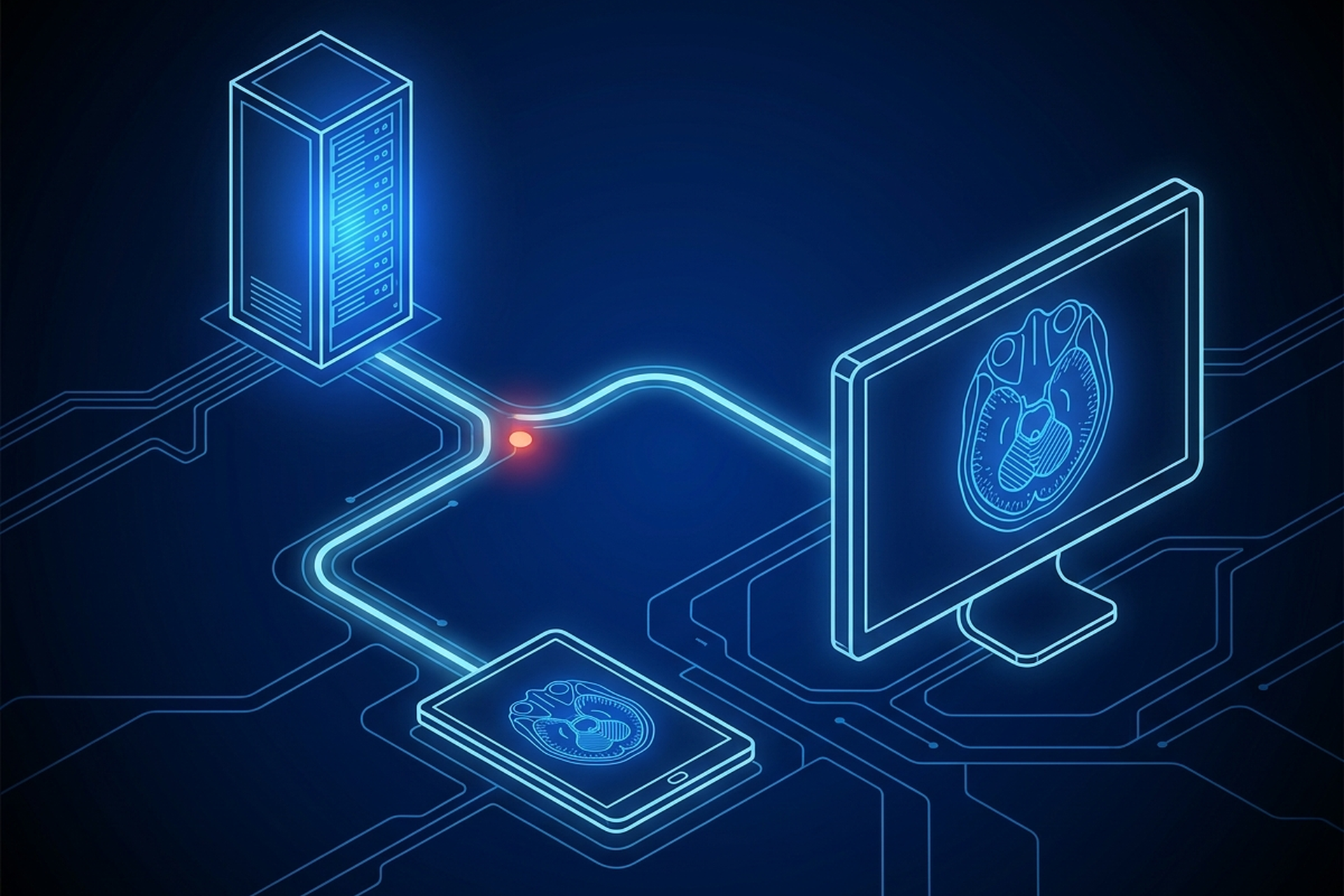
Cloud Viewers: Streaming Diagnostic Studies to Any Device
A cloud viewer can stream a study two structurally different ways: what crosses the wire, what happens to window and level, and where the…
-
DICOM Viewers on Android: What the Platform Allows
Android does not guarantee a DICOM viewer the same display calibration, OS support window, or file access model on every device the same build…
-
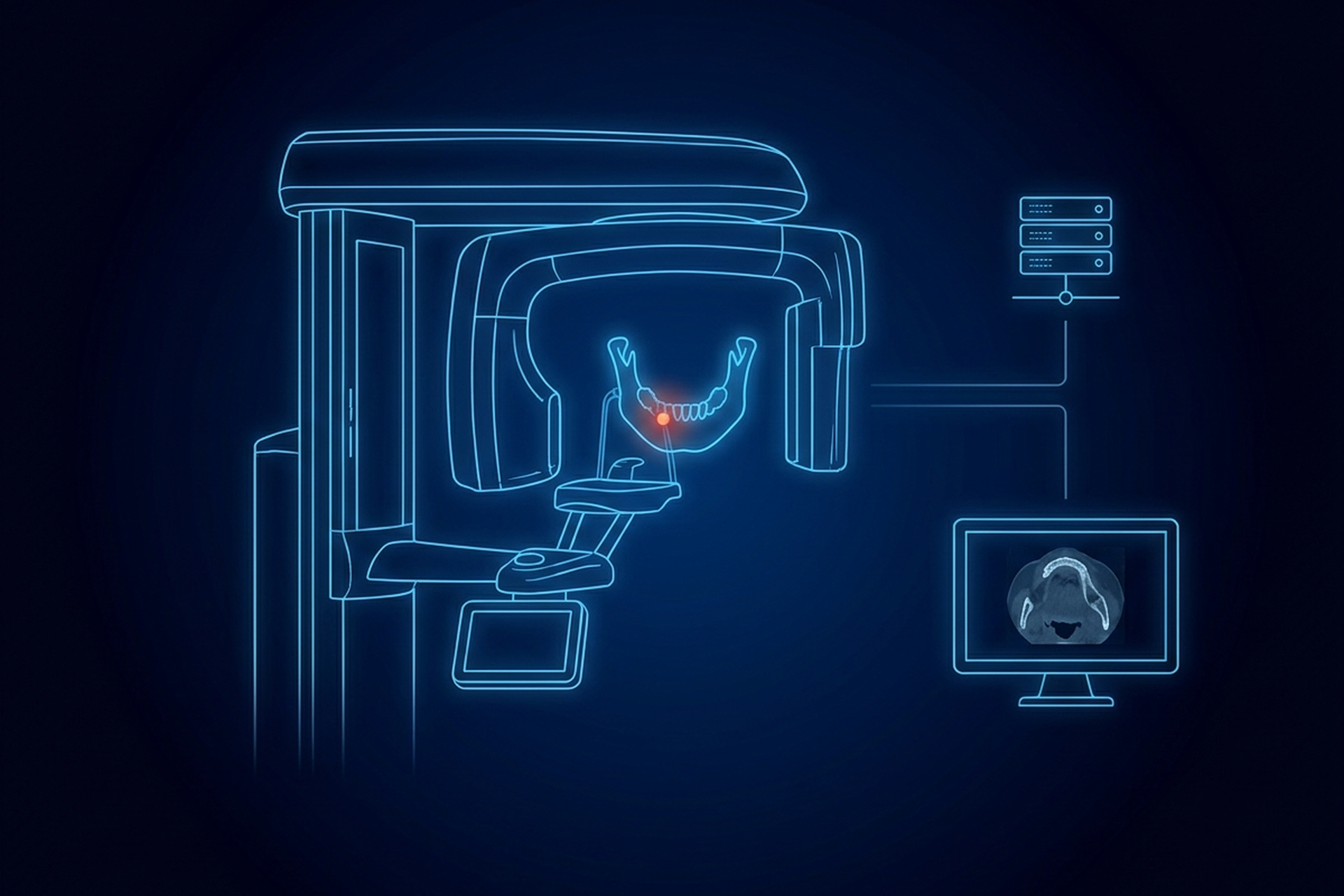
Dental Imaging Viewers: Formats and Display Expectations
Dental imaging is DICOM, but a dental viewer inherits almost none of a radiology viewer’s assumptions: sensor resolution, geometry, tooth numbering, display.
-
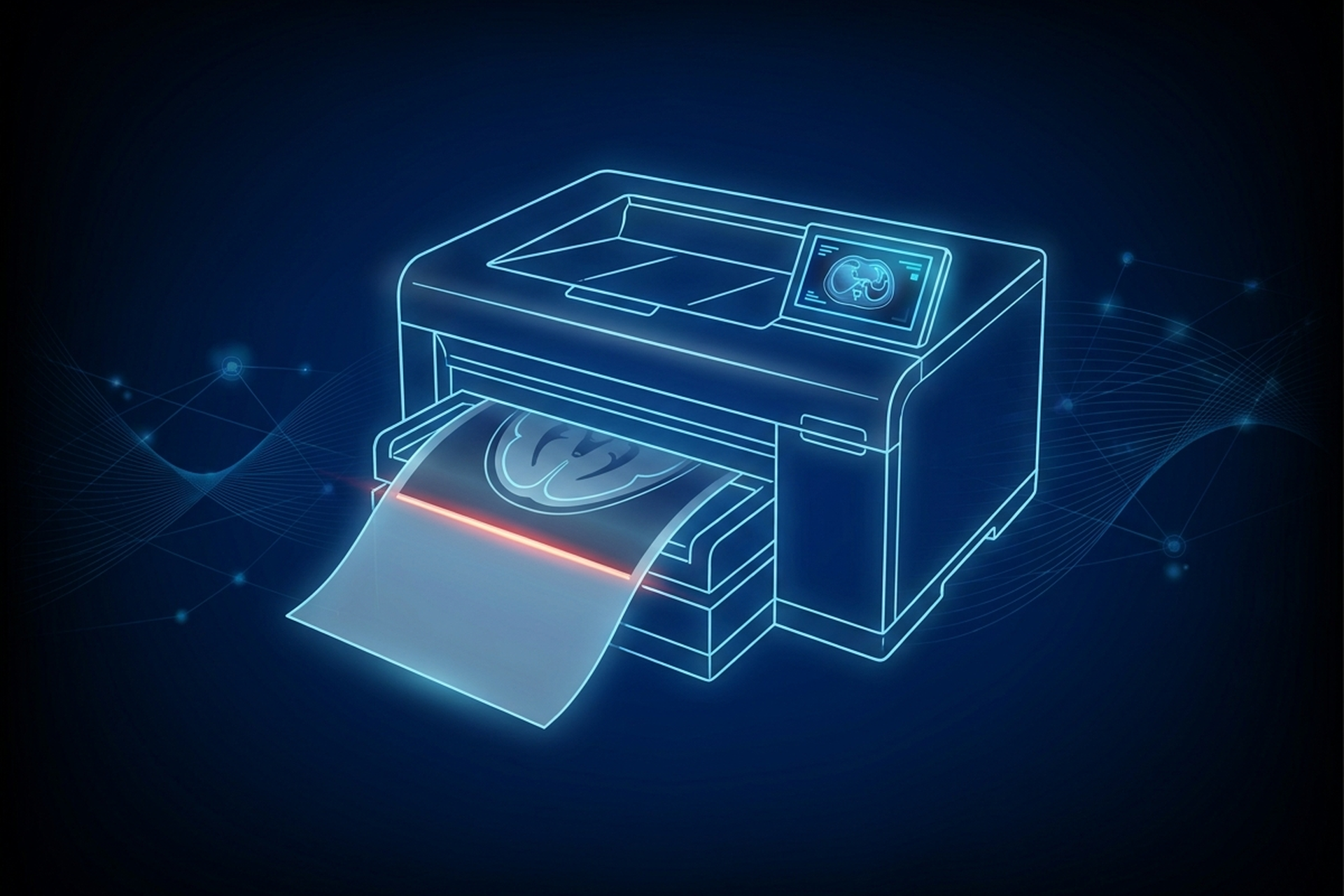
DICOM Print, the Service Class Nobody Documents
DICOM print is still current in the standard: Print SCU and SCP roles, the Film Session hierarchy, and what a conformance statement has to…
-
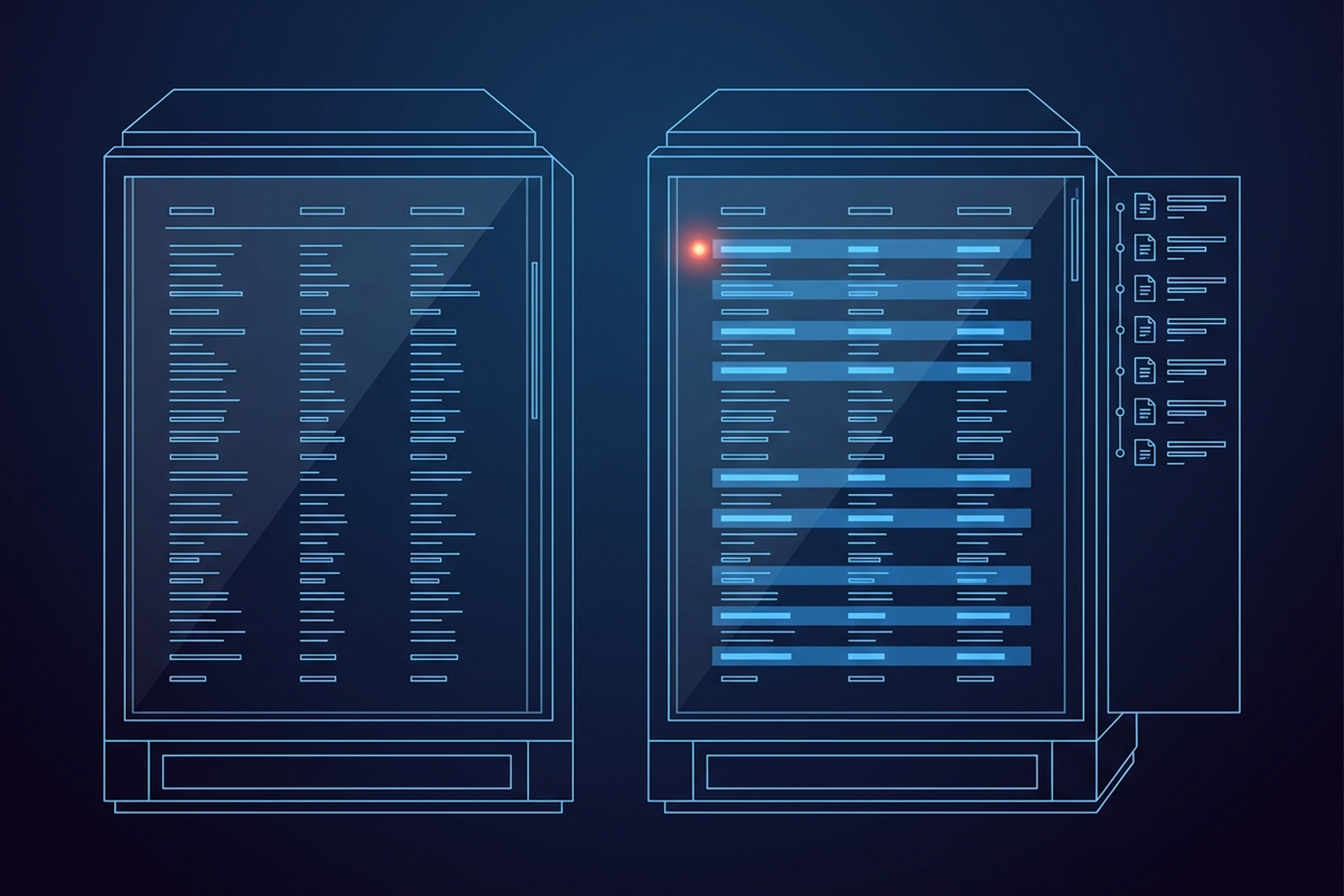
DICOM Anonymizer Software: Choosing a Tool You Can Defend
Every DICOM anonymizer claims to remove PHI. The criteria that separate a defensible tool from a tag-stripping script, sourced to the standard itself.
-
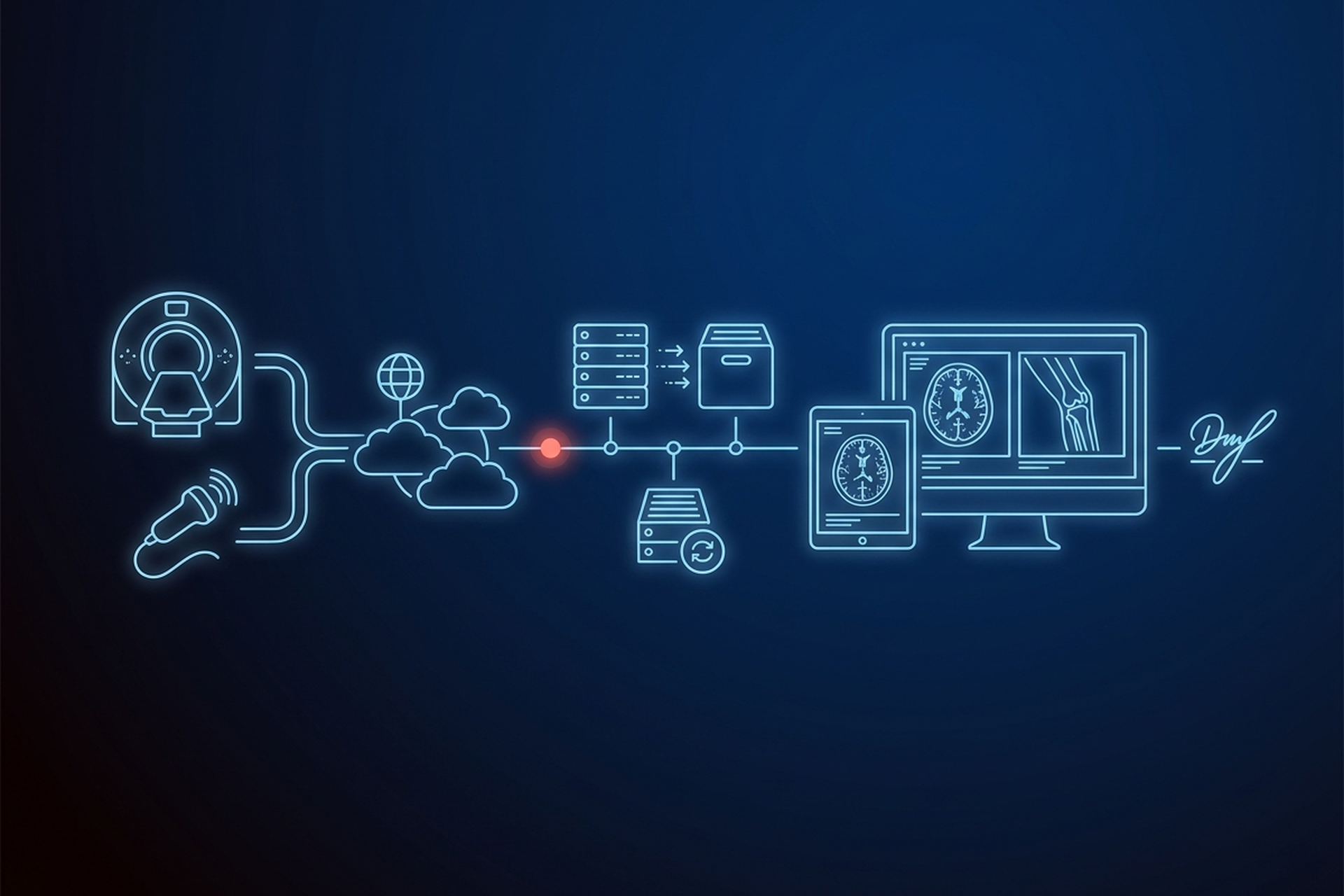
Teleradiology Interpretations: The Workflow Behind a Remote Read
How a teleradiology interpretation actually stands up: priors, preliminary versus final accountability, critical findings, licensure, and report attribution.
-
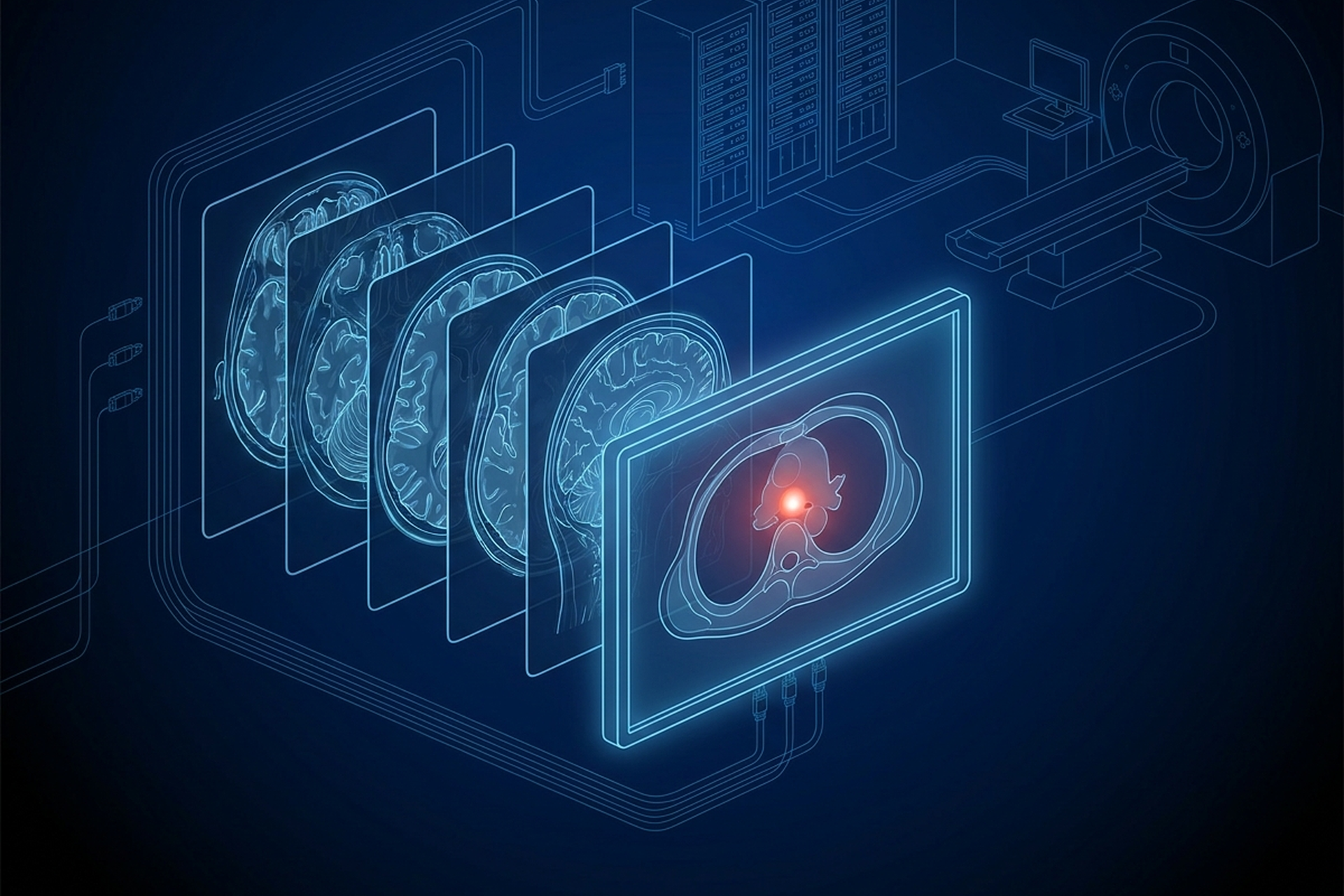
Converting DICOM Files: What You Lose in the Process
Converting a dcm file to JPEG, PNG, or PDF is a series of one-way losses: bit depth, a live window, pixel spacing, and the…
-
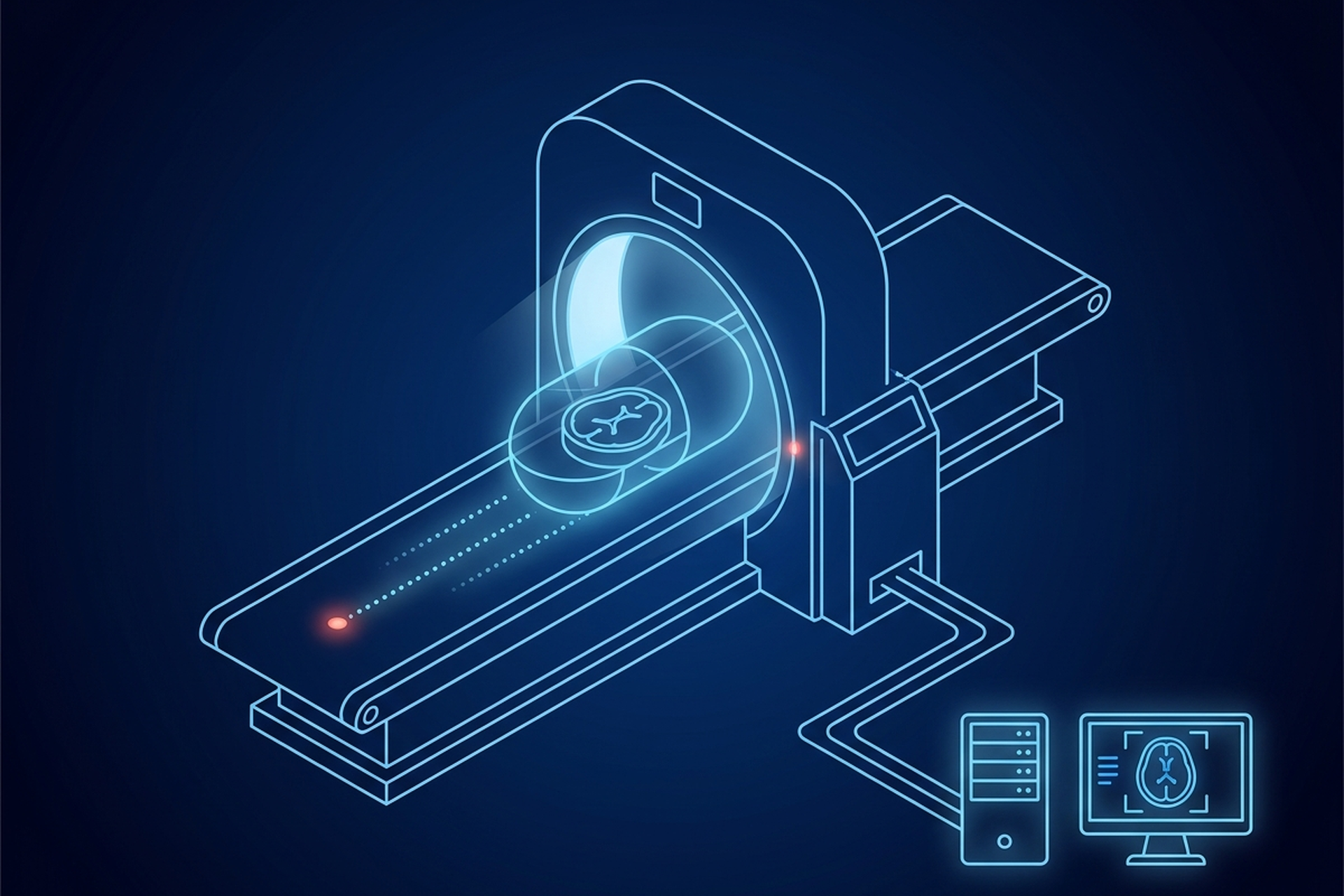
Image Exchange Platforms for Sending Studies Outside Your Network
An image exchange platform solves identity, access and expiry, the recipient viewer, and audit trail: what a raw DICOM transfer alone leaves wide open.
-
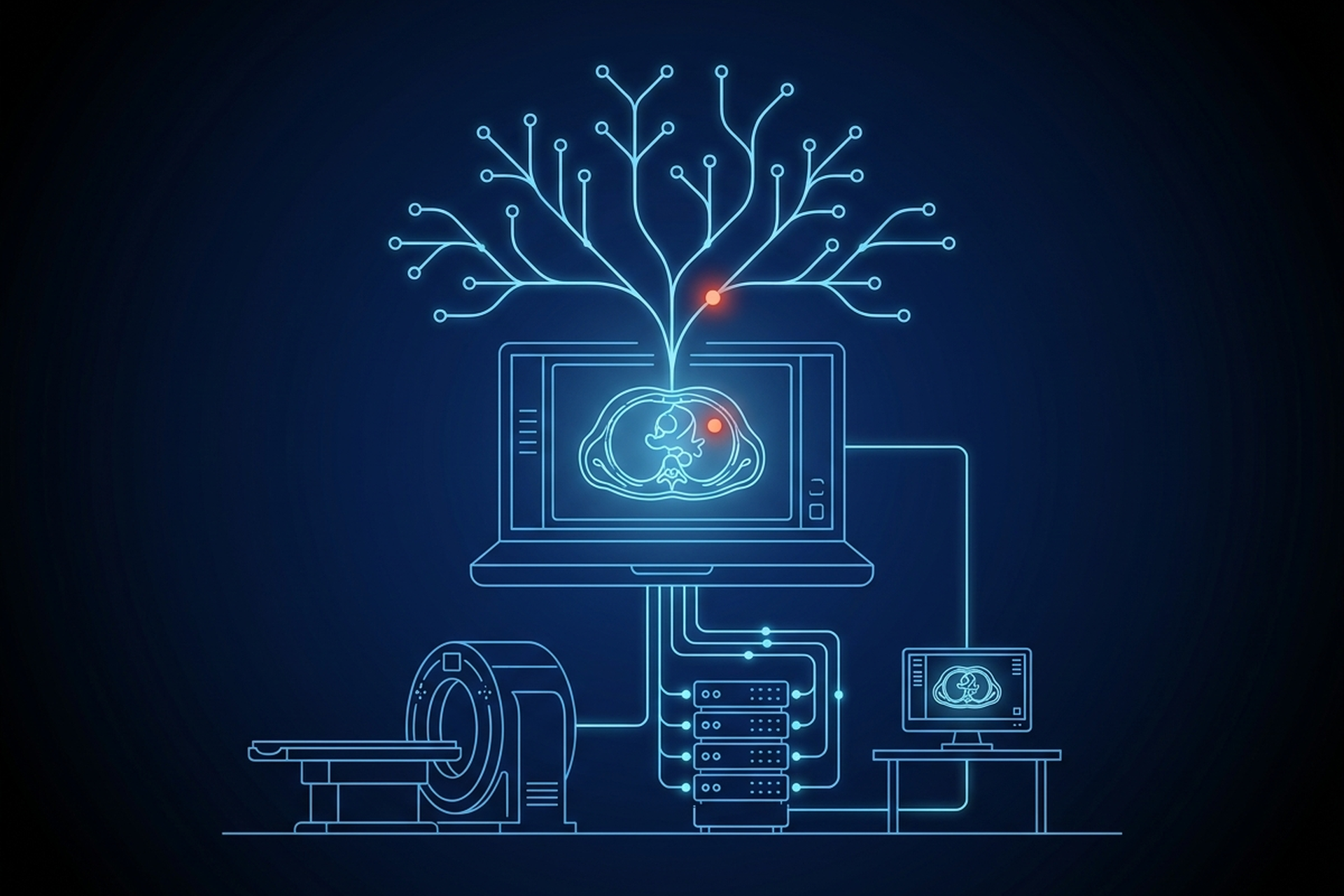
DICOM Structured Reporting: Turning Findings Into Data
DICOM Structured Reporting encodes findings and measurements as coded, queryable data tied to the exact image each one came from, at a cost to…
-
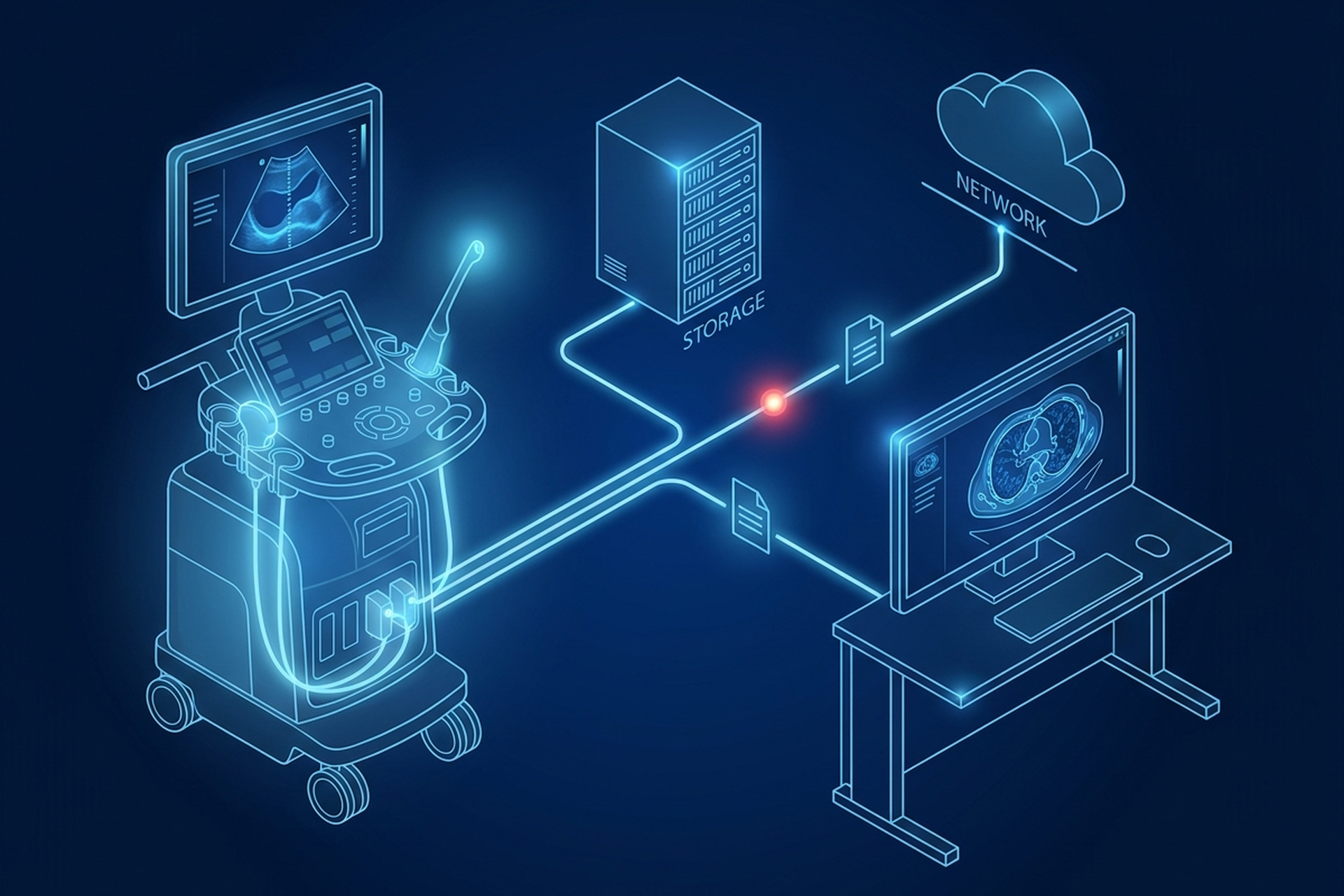
Burned-In Annotations: The De-Identification Problem Hiding in Pixel Data
Burned-in text survives most de-identification passes. The Burned In Annotation attribute can’t be trusted alone, and here is what counts as cleaned pixel data.
-
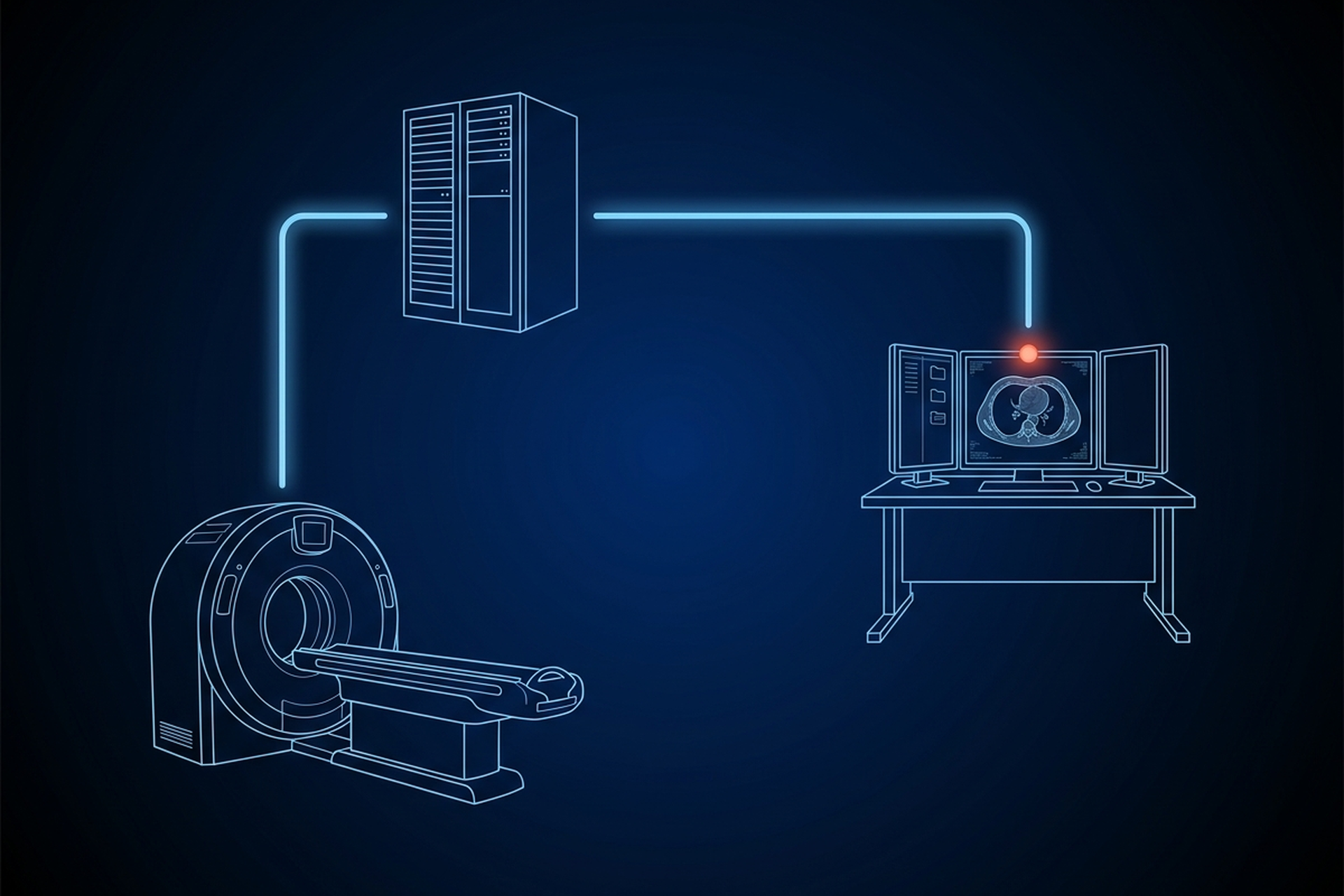
How C-MOVE Pulls Studies Between DICOM Systems
C-MOVE tells an archive to send a study to the AE named in Move Destination, over a connection that AE must accept unsolicited. What…
-
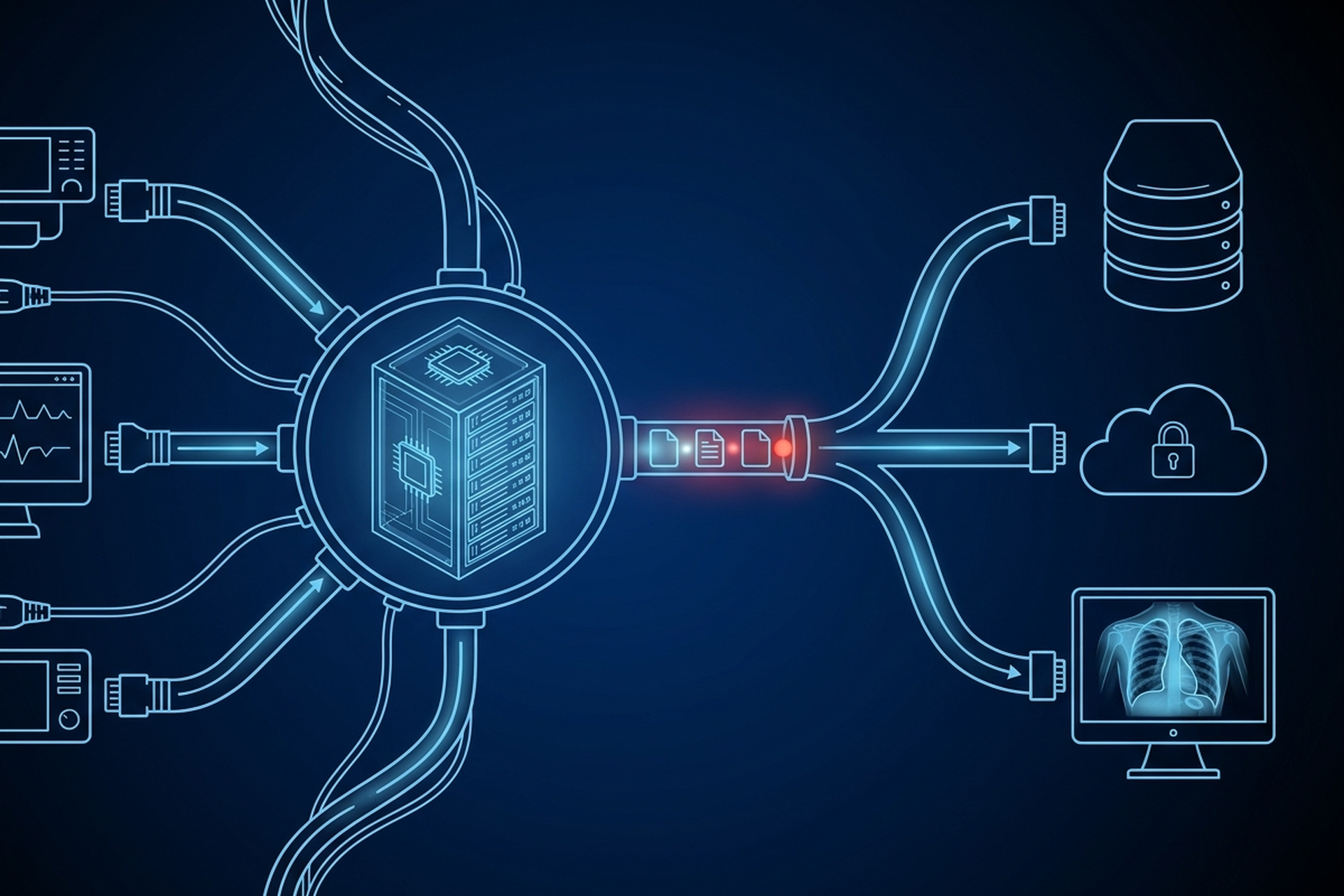
DICOM Routers, the Traffic Layer Between Modalities and Archives
A DICOM router decides where a study goes, normalizes what arrives, retries what fails, and holds studies safely when a destination does not answer.